

Home-Integrations
Integrations
Integrations
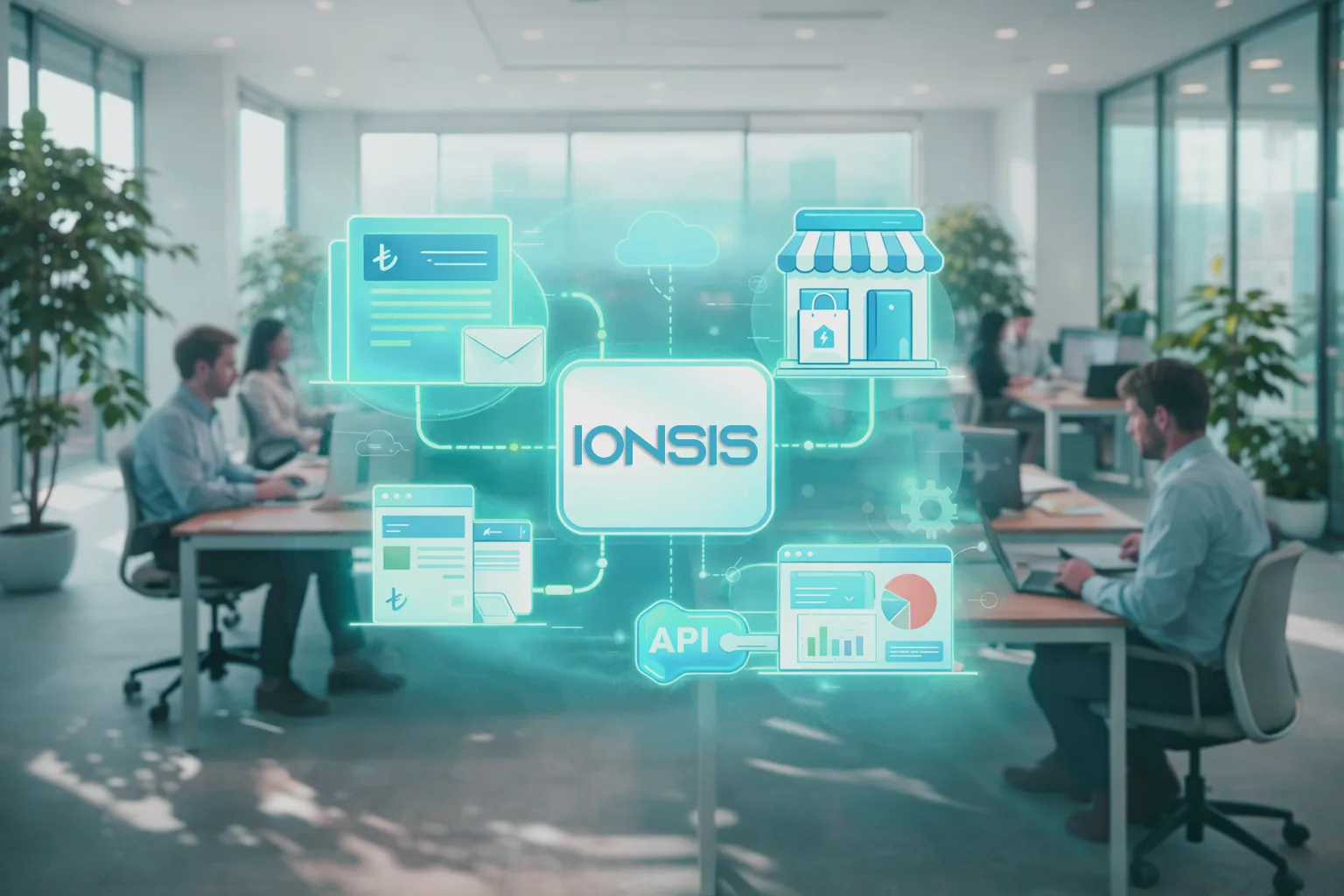
IONSIS is built on a cloud-based architecture designed for seamless integration.
From official e-invoicing platforms to e-commerce systems and future marketplace connections — IONSIS connects your business to external systems effortlessly.
- Easy setup, secure communication, and scalable integration infrastructure.
What’s included
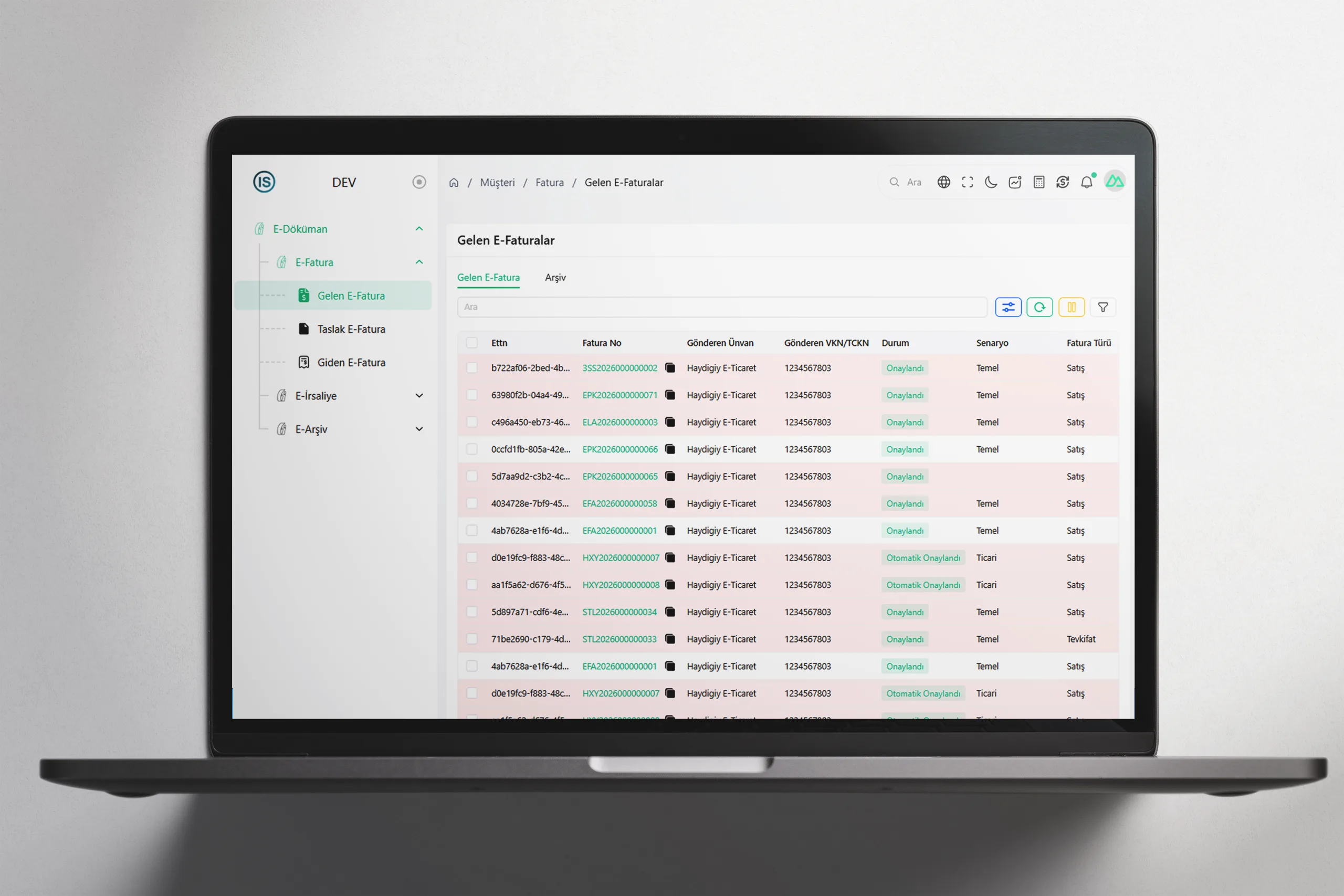
- E-Invoicing Integration - IONSIS is fully integrated with Turkcell E-Şirket infrastructure, supporting E-Invoice (E-Fatura), E-Archive (E-Arşiv), and E-Dispatch Note (E-İrsaliye) solutions. All you need to do is create a Turkcell E-Şirket account and define the provided API credentials in IONSIS. The setup process is fast, simple, and can be completed by any authorized user role.
- Secure API-based communication - All integrations are handled through secure API connections, ensuring data integrity and reliability.
E-commerce integration
Popular E-Commerce Platforms – IONSIS integrates with IKAS, and Shopify integration is coming soon.
- Automatic order synchronisation – Orders placed on your e-commerce store will automatically flow into IONSIS as sales orders.
- Centralised order management – Manage e-commerce orders, inventory, invoicing, and shipments directly from IONSIS.
Marketplace integrations (planned)
- Marketplace readiness – Future integrations with popular marketplace platforms are planned.
- Cloud-native flexibility – Thanks to its cloud architecture, IONSIS can integrate with virtually any marketplace or external web service.
- Unified data flow – Orders, customers, and financial data will be synchronised into a single ERP environment.
Open integration architecture
- Web service compatibility – Easily integrate with third-party systems via RESTful APIs.
- Scalable integration model – Add new integrations without affecting system performance.
- Future-proof design – Integration layer is designed to grow with your business needs.
Typical use cases
- Finance teams – Managing e-invoice, e-archive, and e-dispatch processes.
- Sales teams – Handling e-commerce and marketplace orders centrally.
- IT teams – Maintaining secure and scalable system integrations.
- Management – Monitoring all connected systems from a unified ERP platform.